


Wonder where our eye, gets its colour from?

The human eye is a remarkable organ that not only allows us to perceive the world but also reflects our individuality through its unique colour. Do you know where our eyes get their colours from?

Eye colour has long been a topic of curiosity and fascination, as it varies widely among individuals, ranging from deep browns to captivating blues and greens. In this blog, we will know the intricate mechanisms that determine eye colour and explore the reasons behind the fascinating diversity in eye colouration.
Understanding the Basics of Eye Colour

The colour of our eyes is primarily influenced by the amount and distribution of a pigment called melanin in the iris, the coloured part of the eye.
The iris is a curtain-like structure, situated just behind the transparent cornea. In the centre of the iris is a black hole, known as the pupil, which acts as the aperture for adjusting light entry into the eye.
The iris has two layers, the anterior non-pigmented epithelium and the posterior pigmented epithelium. Melanin present in the posterior layer is responsible for determining the darkness or lightness of our eye colour, with more melanin resulting in darker hues and less melanin contributing to lighter shades.
The Role of Genetics
The inheritance of eye colour is a complex process involving multiple genes. The two major pigments involved in eye colouration are eumelanin, responsible for brown and black colours, and pheomelanin, which gives rise to yellow and red tones.
The interplay between these pigments, as well as the distribution and concentration of melanin within the iris, contributes to the final eye colour outcome.
Eye Colour Inheritance Patterns
Eye colour inheritance does not follow a straightforward pattern and can exhibit various levels of complexity. Until recently, it was commonly believed that eye colour followed Mendelian inheritance, with dominant genes for brown eye colour and recessive genes for blue and green eye colours. However, recent scientific discoveries have revealed that eye colour inheritance is much more intricate and influenced by multiple genetic factors.
1. The OCA2 Gene:
One of the key genes associated with eye colour variation is the OCA2 gene (Oculocutaneous Albinism 2). This gene is involved in the production and distribution of melanin in the iris. Variations in the OCA2 gene can result in different levels of melanin production, affecting the colour and intensity of the eyes. Interestingly, a single change in the OCA2 gene can have a significant impact on eye colour diversity.
2. The HERC2 Gene:
Another crucial gene involved in eye colour determination is the HERC2 gene (HECT and RLD domain-containing E3 ubiquitin protein ligase 2). This gene regulates the activity of the OCA2 gene and influences the amount of melanin produced in the iris. Variations in the HERC2 gene can alter the expression of the OCA2 gene, leading to variations in eye colour, particularly the difference between blue and brown eyes.
3. Additional Genetic Factors:
While the OCA2 and HERC2 genes play significant roles in eye colour determination, there are several other genes involved as well. These genes interact in complex ways, contributing to the diverse palette of eye colours observed in human populations. Recent studies have identified several additional genetic variants, including genes such as SLC24A4, TYR, TYRP1, and ASIP.
Environmental Factors and Eye Color

Although genetics primarily determine eye colour, environmental factors can also have a subtle influence.
For example, lighting conditions and the reflection of light can create optical illusions that make eyes appear differently coloured. This is especially true when referring to blue and green-coloured eyes.
Neither blue nor green pigments are present in the human iris.
Anything apart from genetics?
Additionally, the presence of certain medical conditions, medications, or trauma can temporarily alter the appearance of eye colour. Here are some medical conditions that can present with different eye colours:
Heterochromia Iridum: This is a condition characterized by a difference in colouration between the irises of the eyes. It can be complete heterochromia, where each iris has a distinctly different colour, or sectoral heterochromia, where only a portion of one iris has a different colour. Heterochromia can be present at birth or acquired later in life due to various factors such as genetics, trauma, inflammation, or certain medical conditions.
Waardenburg Syndrome: Waardenburg syndrome is a genetic disorder that affects the pigmentation of the eyes, hair, and skin. It can cause one or both eyes to have different colours, known as heterochromia iridis. Other features of Waardenburg syndrome may include hearing loss, a white forelock of hair, and changes in skin pigmentation.
Horner's Syndrome: Horner's syndrome results from damage to the sympathetic nerves that control certain muscles of the eye. It can lead to a combination of symptoms, including drooping of the upper eyelid (ptosis), a constricted pupil (miosis), decreased sweating on one side of the face, and sometimes a difference in eye colour (heterochromia). The affected eye may appear lighter due to decreased pigmentation.
Ocular Melanosis: Ocular melanosis is a condition characterized by an excessive accumulation of melanin in the eye. It can cause the affected eye to appear darker or have a different colour compared to the unaffected eye. Ocular melanosis is often benign but should be evaluated by an ophthalmologist to rule out any associated complications.
Fuchs' Heterochromic Iridocyclitis: This is a chronic inflammatory condition affecting the iris and the ciliary body inside the eye. It can lead to a lighter or different-coloured iris in the affected eye due to a decrease in pigment cells. Fuchs' heterochromic iridocyclitis is typically associated with mild inflammation, low-grade eye discomfort, and sometimes floaters.
Nevus of Ota: Nevus of Ota is a pigmented birthmark that involves the skin around the eye and can extend into the eye itself. It can cause a bluish-grey discolouration of the eye and surrounding areas, giving the appearance of a different eye colour. While nevus of Ota is usually benign, it should be evaluated by a dermatologist or ophthalmologist for any potential complications.
It is important to note that these conditions are relatively rare, and changes in eye colour should always be evaluated by an eye doctor to determine the underlying cause and appropriate management.
Evolutionary Perspectives
The evolutionary significance of eye colour variations remains a subject of ongoing research. Some theories propose that the diverse range of eye colours may have provided adaptive advantages in different environments, such as increased protection against UV radiation or improved visual acuity.
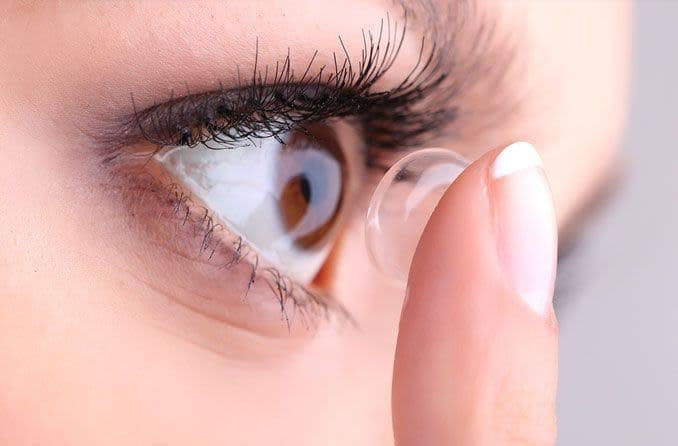
In a world where eye color becomes your canvas, colored contact lenses open up a spectrum of possibilities, turning every blink into a masterpiece of self-expression

Can eye colour be classified?

In the field of physical anthropology, experts use the Martin–Schultz scale to determine a person's eye colour. This scale, based on the original Martin scale, was developed by Rudolf Martin and Bruno K Schultz in the early 1900s.
It offers a range of 20 colours, from light blue to deep brown-black. These colours match the different eye shades that occur naturally due to the amount of melanin in the iris.
Does different eye colour affect vision?
Although individuals with lighter eye colours are usually more sensitive to light due to less iris pigment for sun protection, there's little evidence directly connecting eye colour to vision sharpness.
However, one study suggested that people with dark eyes might excel at reactive tasks, indicating quicker reaction times. On the other hand, those with light eyes seemed to perform better at activities that involve their own pacing, like hitting a golf ball or throwing a baseball. Another study found that people with darker eyes had an edge in racquetball skills. But it's important to note that some studies challenge these conclusions.
Scientists believe more research is necessary to confirm these findings.
While our understanding of eye colour genetics has advanced significantly, there is still much to explore and discover in this captivating field. The captivating diversity in eye colours serves as a testament to the intricacies of human genetics and the fascinating nature of individuality.
Do let us know about our blog in the comments below.




Comments